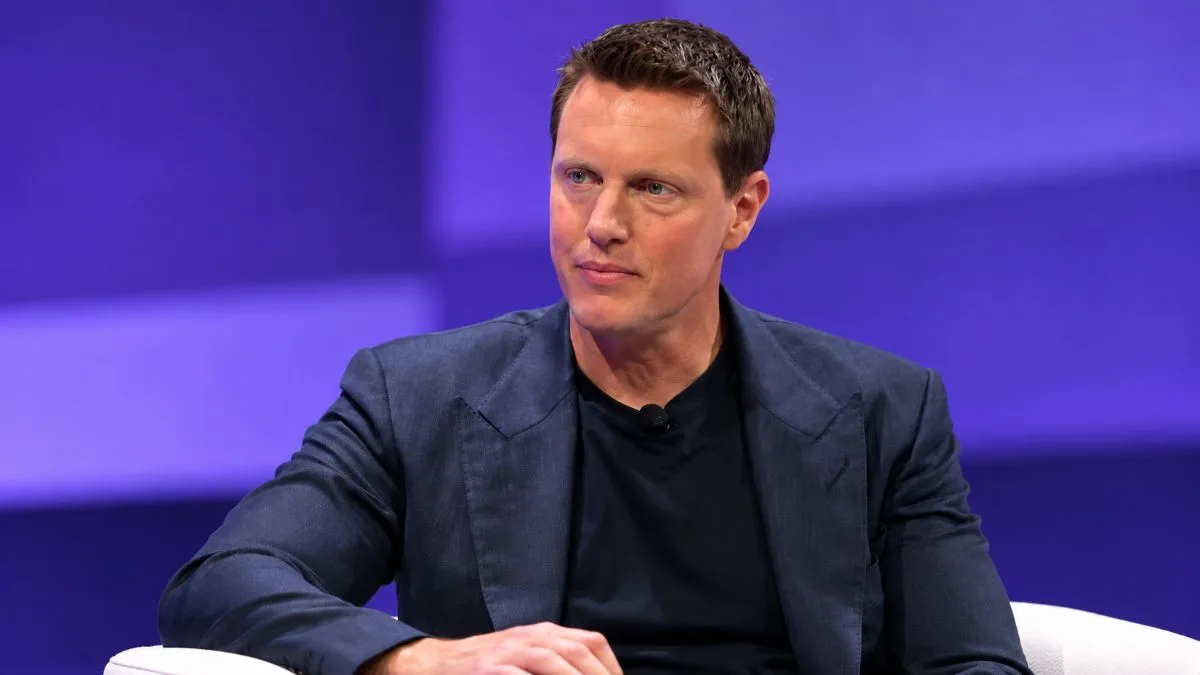
David Ellison spent months fighting for the right to build one of the largest media companies in the world.
On October 6, he finally got it.
Paramount Skydance completed its roughly $110 billion acquisition of Warner Bros. Discovery, bringing Paramount, Warner Bros., CBS, CNN, HBO Max, Paramount+, DC Studios and a vast library of film and television intellectual property under a combined company called Skydance.
The transaction ends the legal and regulatory battle that threatened to stop the deal.
It also removes the easiest explanation for whatever happens next.
For months, Ellison could argue that Paramount needed Warner Bros. to gain enough scale to compete with Netflix, Disney, Amazon, YouTube and technology companies that have steadily taken attention away from traditional Hollywood.
Now he has the scale.
The next question is whether scale actually fixes the business.
A Portfolio Almost Designed to Look Powerful
On paper, the combination is extraordinary.
The new company controls major film studios, premium television brands, broadcast networks, cable channels, news organizations and streaming services. It owns franchises and libraries that would take decades to build from scratch.
That gives Skydance several obvious advantages.
It can spread technology costs across a larger subscriber base. It can package advertising inventory across more platforms. It can move intellectual property between theaters, television, streaming, games and licensing. It can negotiate with distributors from a position of greater scale.
But large media companies rarely fail because they lack things to sell.
They fail because they cannot decide what to protect, what to cut and what the combined organization is actually trying to become.
THE INSIDE READ
The merger solved Ellison’s scale problem and created an execution problem several times larger.
Paramount and Warner Bros. Discovery each arrived with legacy structures built for an era when cable bundles generated enormous profits, theatrical release windows were more predictable and streaming was expected to be a simple substitute for declining television economics.
That world is gone.
Skydance now has to remove duplication without weakening the franchises, studios and newsrooms that justified the purchase price. It has to rationalize streaming without training consumers to expect another confusing migration of brands. It has to cut costs while meeting unusually specific obligations to produce and release more movies.
In other words, Ellison bought size at exactly the moment the industry is learning that size alone does not guarantee relevance.
The $6 Billion Savings Target Will Shape Everything
The combined company is targeting more than $6 billion in savings.
That number will hang over almost every internal decision.
Where are the duplicate corporate functions? Which technology systems survive? How many overlapping marketing teams, distribution units and executive layers are necessary? How much can be saved without starving the creative operations that generate future hits?
Cost savings are attractive to investors because they are easier to model than creative success.
They are also where media mergers frequently damage themselves.
A company can cut faster than it can rebuild institutional knowledge, audience trust or creative relationships.
Ynon Kreiz Gives Ellison an Operator — and Creates a Leadership Test
Former Mattel chief executive Ynon Kreiz has joined as co-CEO alongside Ellison, with a mandate that includes daily operations and integration.
The logic is clear.
Ellison brings ownership power, creative ambition, technology instincts and a willingness to remake the company. Kreiz brings experience running a large global organization and turning brands into entertainment assets.
The risk is equally clear.
Co-CEO structures require unusually crisp divisions of authority. When decisions are easy, two leaders can look complementary. When a film slate disappoints, a newsroom controversy erupts or a multibillion-dollar restructuring must move quickly, ambiguity at the top can become expensive.
California’s Settlement Means Skydance Cannot Simply Cut Its Way to Synergy
The settlement that allowed the transaction to close imposes constraints that make the integration more interesting.
The company must maintain a large theatrical release schedule, including at least 30 films annually in the first part of the settlement period and even more later. It must invest additional money in U.S. production. It faces conditions involving cable negotiations and newsroom oversight.
Those requirements were designed to protect competition, jobs and consumer choice.
For management, they create a puzzle.
Skydance is simultaneously promising huge savings and a high volume of expensive creative output.
That means the real efficiency gains have to come from the corporate machine, not simply from making fewer things.
CNN and CBS Turn This Into a Political Story Too
The combined company does not merely own entertainment brands.
It controls two major American news organizations.
That makes questions about editorial independence impossible to separate from corporate governance.
The settlement includes a journalism oversight structure involving CBS News and CNN. The deal’s financing and Ellison family relationships have already attracted political scrutiny.
For audiences, the important test will not be what executives say about independence.
It will be whether reporters and editors are visibly insulated when coverage becomes uncomfortable for powerful people connected to the company.
Streaming Still Needs an Answer
Owning Paramount+ and HBO Max gives Skydance scale in streaming, but it also gives management two consumer products with different brands, programming identities and technical histories.
Combining them could create a stronger bundle.
Keeping them separate could preserve valuable positioning.
Trying to do both could recreate the confusion that has plagued other media conglomerates.
The correct answer depends on churn, pricing power, licensing economics and how much premium identity management believes HBO can retain inside a larger system.
THE SIGNAL
Watch the first major restructuring decisions rather than the celebratory closing statements.
Which executives leave? Which streaming platform receives investment? Which studios retain autonomy? Where do the first large layoffs occur? Does Skydance protect CNN and CBS reporting structures when coverage creates political friction?
Those decisions will reveal what Ellison actually values inside the empire he just assembled.
WHAT HAPPENS NEXT
Integration begins immediately, with Kreiz and Ellison under pressure to show investors a credible path toward the promised savings.
The company will also have to map an unusually ambitious theatrical slate while managing streaming consolidation and debt.
And every operating decision will be judged against Ellison’s central claim that this merger was about building a next-generation media company rather than simply combining two legacy ones.
THE INSIDER BOTTOM LINE
David Ellison won the battle to create his media empire.
That was the part measured in lawyers, regulators and financing. The next battle is measured in hit movies, subscriber behavior, newsroom credibility, debt reduction and whether two complicated organizations can become one coherent company.
The deal made Skydance bigger overnight. It will take years to learn whether it made it better.


Leave a Reply